
Two years on from the launch of the Electrify 2515 Community Pilot, there are now 440 local households actively taking part in this unique and pioneering research project. These homeowners are currently replacing their gas appliances with efficient electric ones, sharing their experience, and tracking their electricity use with a smart energy device.
Here are four early insights and easy fixes emerging from local 2515 and Bulli homes:
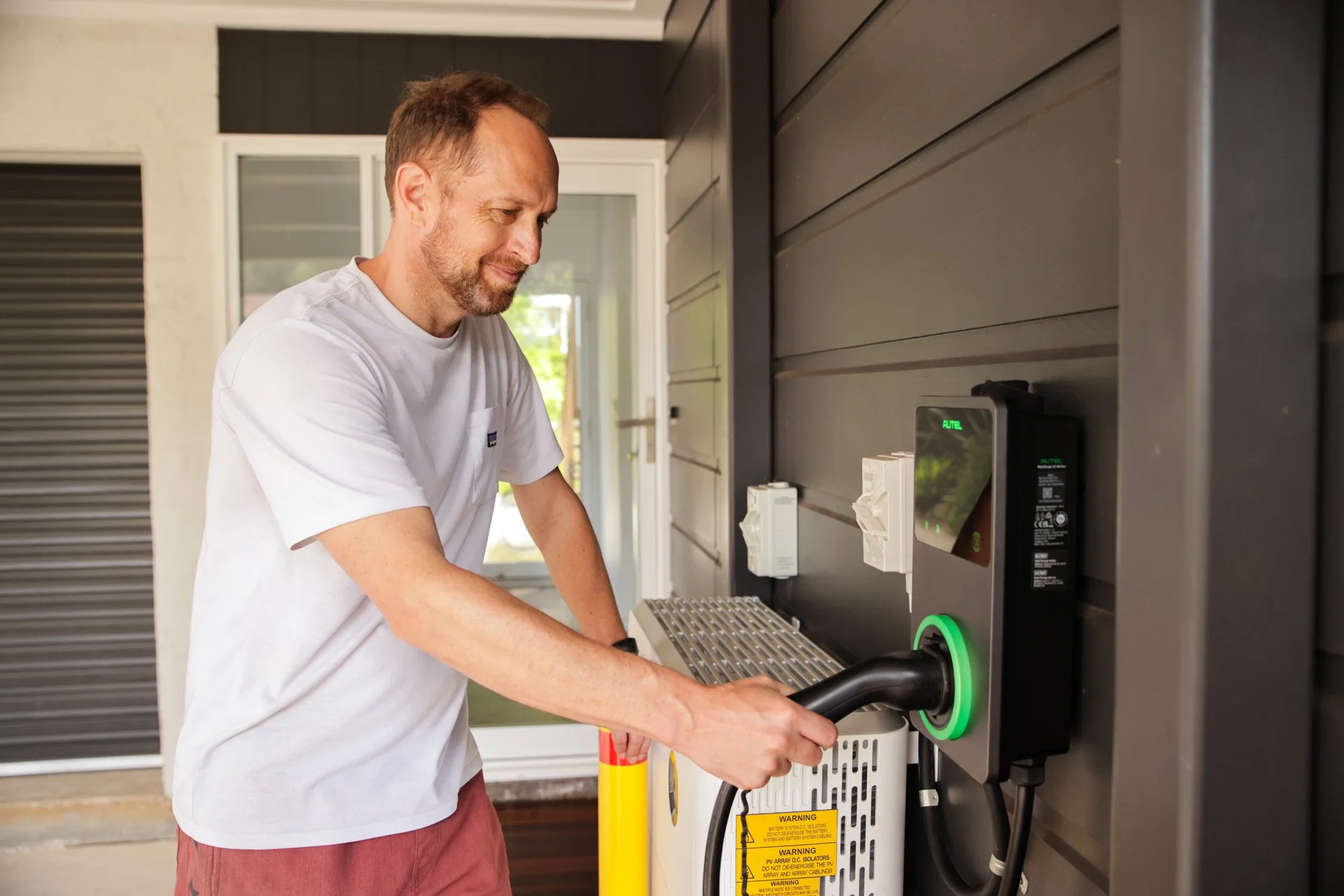
1. Charge your EV slower, but cheaper
Charging your EV at maximum capacity is fast but it often uses more power than the solar you produce which means you’re pulling expensive power from the grid. If you lower the charge rate to match your solar output, you can essentially run your car for free. If you haven’t got a home charger yet, make sure it’s a smart one and can follow your solar production.
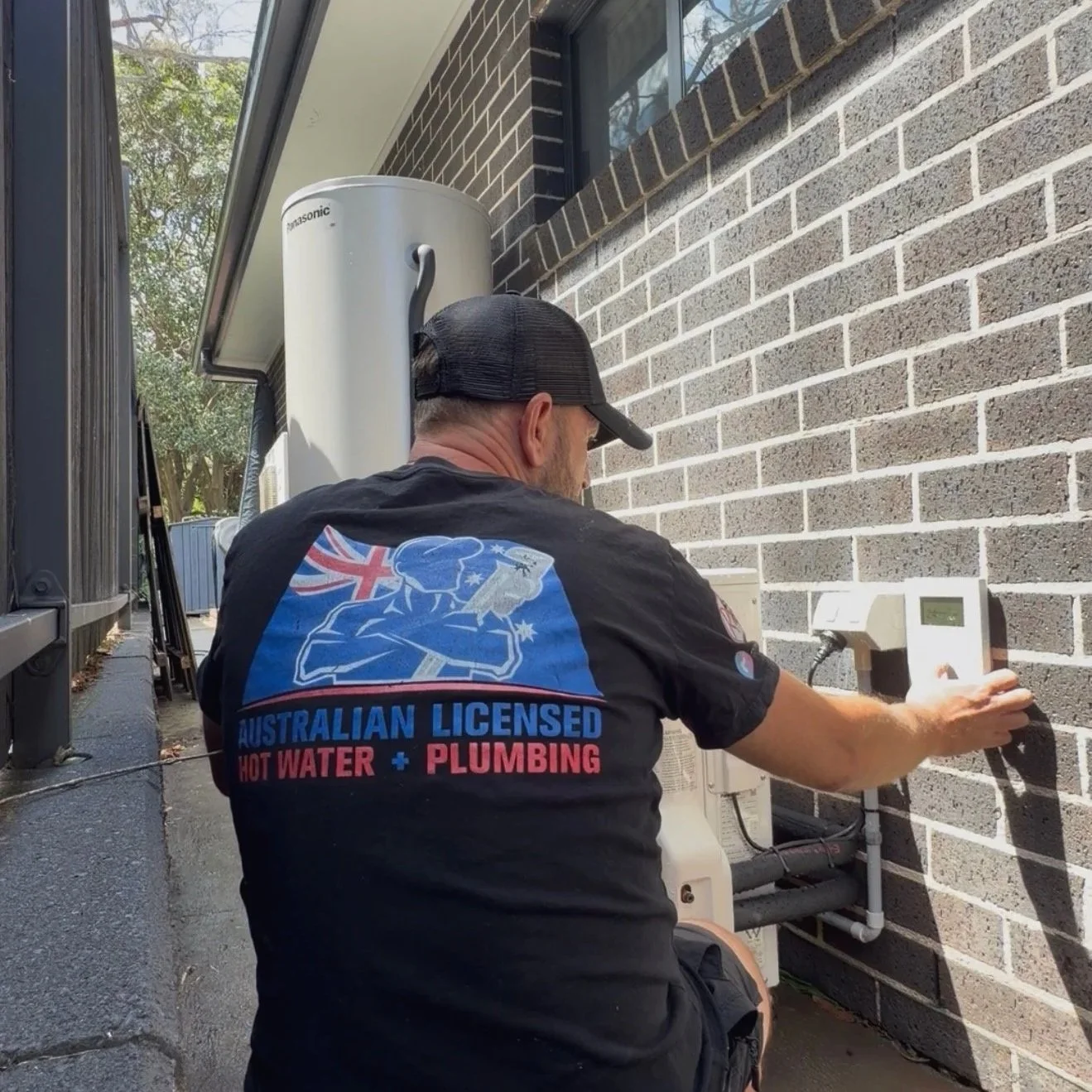
2. Hot water timing
A heat pump hot water system uses roughly a quarter of the energy of a gas system. However, some remain connected to legacy overnight 'controlled load' tariffs, heating water at 2am on grid power while rooftop solar is exported for next to nothing during the day. Moving your heat pump to run on daytime solar can slash your water heating bill down to almost zero.

3. Review your electricity plans
Retail tariffs have become far more complex, with some electricity plans containing dozens of pricing windows or low feed-in tariffs. Don’t let them bewilder you. Make sure you understand your electricity plan and review it whenever you add a new appliance, battery, or EV.

4. Post-installation check-ups
Setup errors, such as mis-wired sensor clamps or untimed pool pumps, can easily go unnoticed without monitoring. If you can, check live energy data after installation to make sure everything is running as expected.
Great technology—like solar panels, heat pumps, batteries, and EV chargers—is only half the battle. How you set up these devices, and when you use them, makes a big difference to how much you can save. The pilot is revealing lots of useful information to help householders one by one. As we enter the research phase in 2027, we hope to share more about how home electrification works in the real world, so others can benefit from what we learn here.
