Bulli, it’s our turn to electrify
The Electrify 2515 Community Pilot is showing Australia’s electric future in action, with households from 2515 and Bulli working together to switch from gas to efficient electric appliances.
Driven by Rewiring Australia, Brighte, and Endeavour Energy, with funding from ARENA, the pilot offers subsidies and support to 500 homes to reduce emissions and energy bills, and in return, collect valuable data on electrification.
Join the pilot today to reduce your household bills, your emissions and create a healthier home.
So Bulli residents are eligible to join the pilot?
Yes! Bulli residents with existing gas appliances are now eligible to apply for subsidies to upgrade to efficient electric appliances.
If you still cook on gas, heat your water with gas, or heat your home with gas, you could get up to $1000 per appliance to switch to electric.
New federal subsidies for home batteries prompted a reallocation of pilot subsidies. This means our funding can go further. We can include Bulli, which shares a substation with the 2515 area, making it a logical expansion of the research on the local grid.
Whether you are a renter, strata resident, homeowner, or residential landlord, we encourage you to apply!
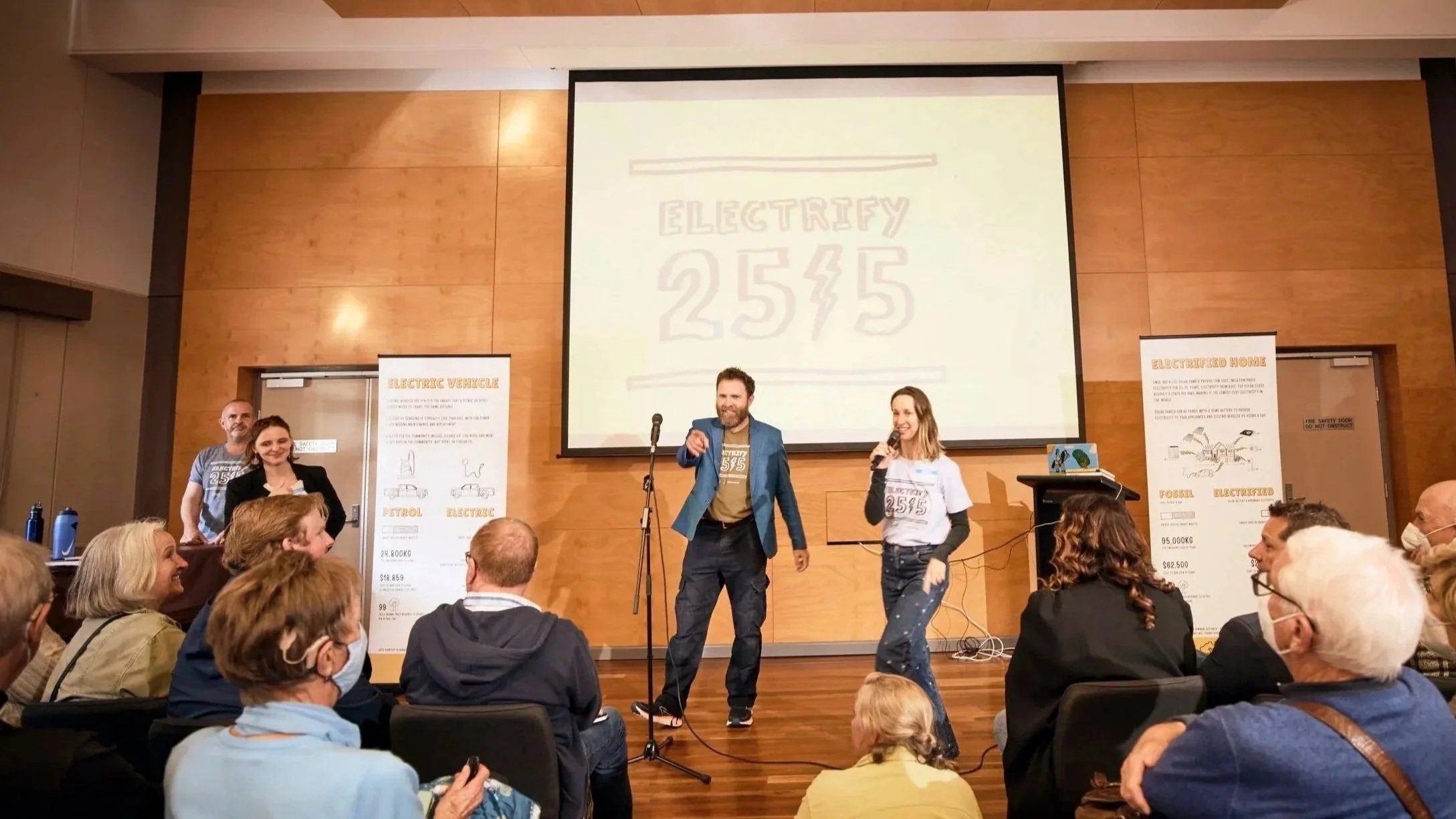
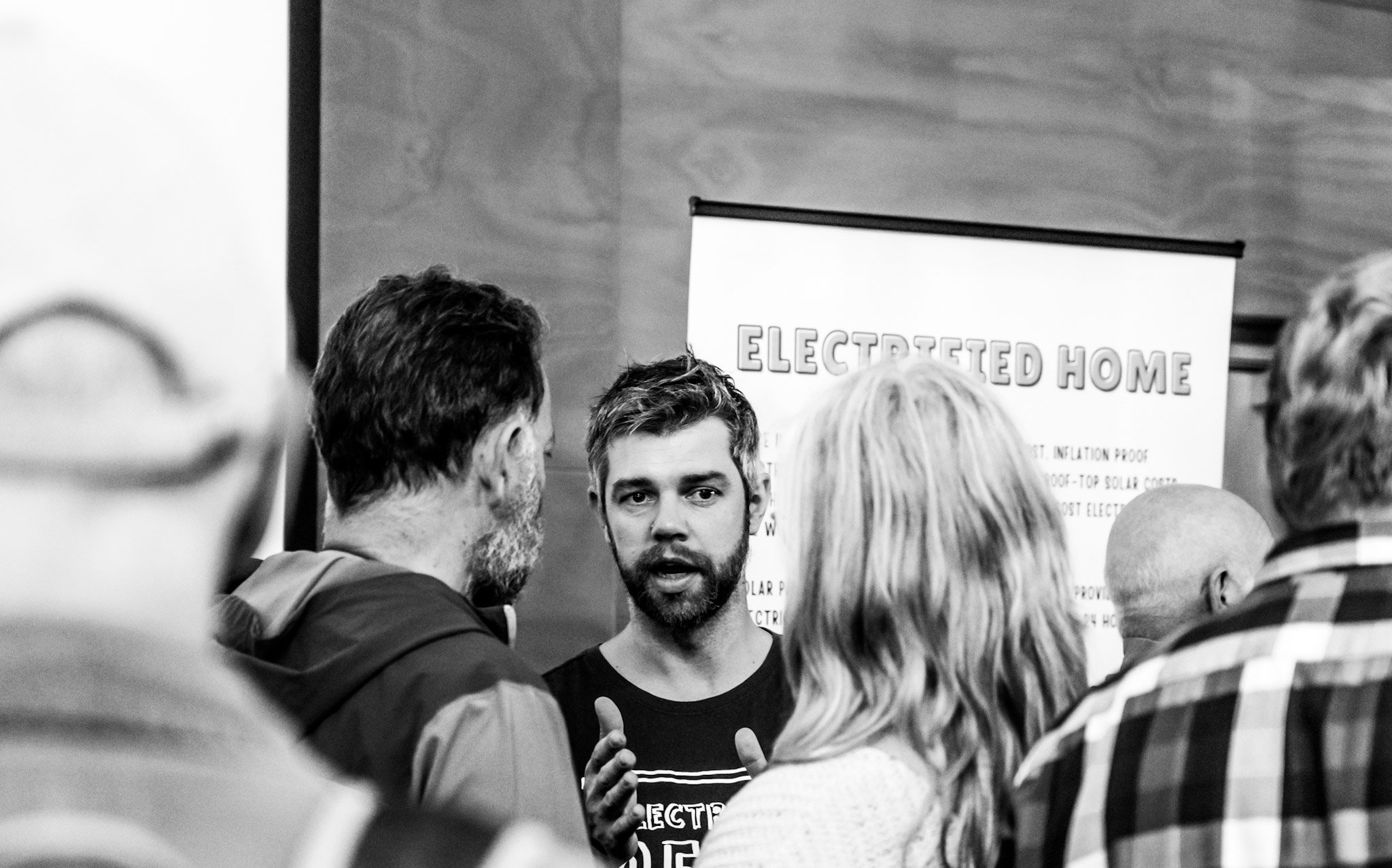
Bulli Community Info Day
Come along to
Bulli Surf Club on Sunday 22 March at 3pm
Hear how much you’ll save, meet participants and find out how to join the pilot.
Subsidies on offer
-

Reverse cycle air conditioner
Subsidy of up to $1000 to replace gas heater.
Or up to $1500 for lower income households.
-

Heat pump and resistance electric water heaters
Subsidy of up to $1000 to replace a gas hot water system.
Or up to $1500 for lower income households.
-

Induction cooktop
Subsidy of up to $1000 to replace gas cooktop.
Or up to $1500 for lower income households.
-

Smart energy device
A fully subsidised smart energy device, valued at around $2500, installed in every home to track and optimise energy use.
-

Switchboard upgrade
Subsidies are available for upgrades to switchboards where these are required to meet today's safety standards.
Why electrify?
The best way to run your home - for your wallet and for the climate - is to have all electric appliances powered by clean electricity. Not only do household choices account for more than 38% of domestic emissions, switching to all-electric power and solar can save you thousands of dollars in energy bills.
If you use gas for your cooking, hot water and heating you could save up to $900 a year by switching to efficient electric appliances. If you add rooftop solar that increases to $2500. With rooftop solar and a battery, you could save $3,100 a year.
“We’re excited to support Bulli residents to make the switch to all-electric living."
— John Buchelin, Pilot Manager, Rewiring Australia
Goals of the Pilot
We know the future is electric, but how to get there quickly and effectively is something we are still figuring out. To electrify Australia’s 11 million diverse homes will require understanding how to remove friction points for customers, make the process more cost effective and simpler, as well as integrating smart energy devices with local energy grids.
By electrifying homes in a real world community collectively, we can speed up this process and develop crucial insights for this to be done effectively across Australia.
The Electrify 2515 Community Pilot will attempt to answer some of these key questions:
What are the motivators and barriers for people deciding to electrify?
How can we prepare our homes and our grid for a future of greater uptake of electric appliances and cars?
Can we make our energy system not just electric but smarter and more flexible with behaviour change, controllable technologies and smart tariffs?
By how much will household carbon emissions be reduced if we electrify and how will this benefit Australia?
How can we ensure that Australia’s tradespeople have the skills, knowledge and support that they need to deliver the electric appliances and homes of the future?
What are the challenges and costs of electrifying diverse housing types, with varying electrical wiring and constraints, and how can it be done more efficiently and cost effectively?